
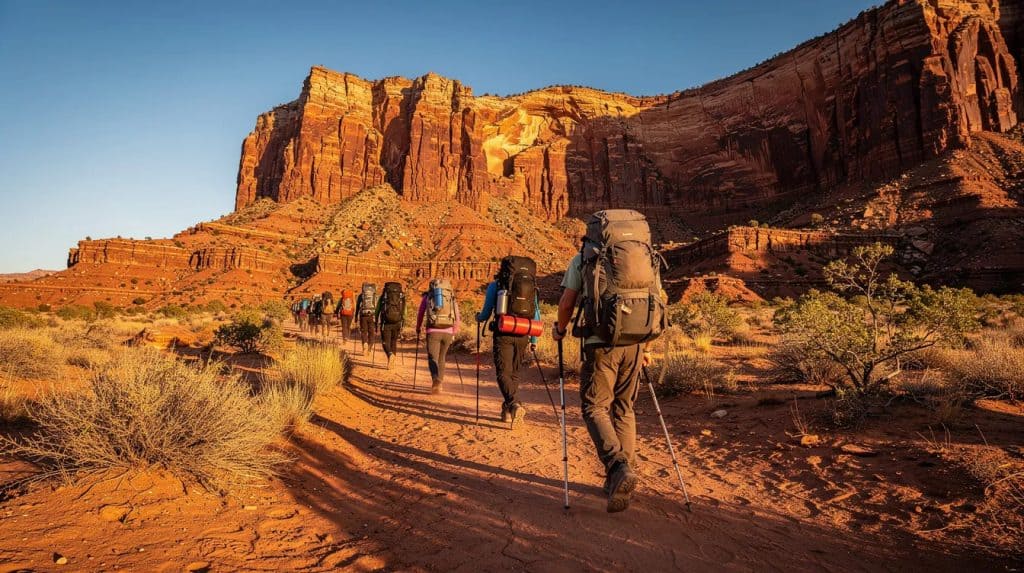
Zion National Park Hiking Guide: Best Trails, Views & Tips
Key Takeaways
- Most classic day hikes in Zion Canyon start from shuttle stops between the Zion Canyon Visitor Center and Temple of Sinawava, including the West Rim Trail to Scout Lookout, Emerald Pools Trail, and Watchman Trail.
- Permits are required year-round for the chained section of Angels Landing and for wilderness routes like The Subway (Left Fork of North Creek), but not for standard day hikes such as Pa’rus Trail, Riverside Walk, or Lower Emerald Pool Trail.
- The Zion Canyon Shuttle System is mandatory from March through November; private vehicles are allowed on the Zion Canyon Scenic Drive only in winter and some shoulder-season days.
- Easier trails like Riverside Walk, Lower Emerald Pool, and Pa’rus Trail let you experience Zion’s towering sandstone cliffs without exposed ridgelines.
- Summer heat, flash floods in slot canyons, and crowding on popular trails are the three main safety and planning challenges for hikers in Zion National Park.
Introduction to Hiking in Zion National Park
Zion National Park is one of the 10 best places to visit in Utah. Is defined by towering canyon walls of red and cream Navajo sandstone rising nearly 2,000 feet above the canyon floor, with the Virgin River carving a green corridor through it all. Zion National Park features towering Navajo sandstone walls and slot canyons that draw millions of visitors each year. The park offers trails for all skill levels including easy walks and strenuous hikes.
This Zion National Park hiking guide covers practical information: how to use the visitor center as your base, how the park shuttle works, and which day hikes fit different experience levels. We cover signature routes-the West Rim Trail to Scout Lookout, Emerald Pools Trail from Zion Lodge, Watchman Trail, Pa’rus Trail, The Subway in the Left Fork of North Creek, and more. All distances, times, and conditions can change, so verify current information at the Visitor Center or NPS website before heading out.
How to Use the Zion Canyon Visitor Center & Shuttle System
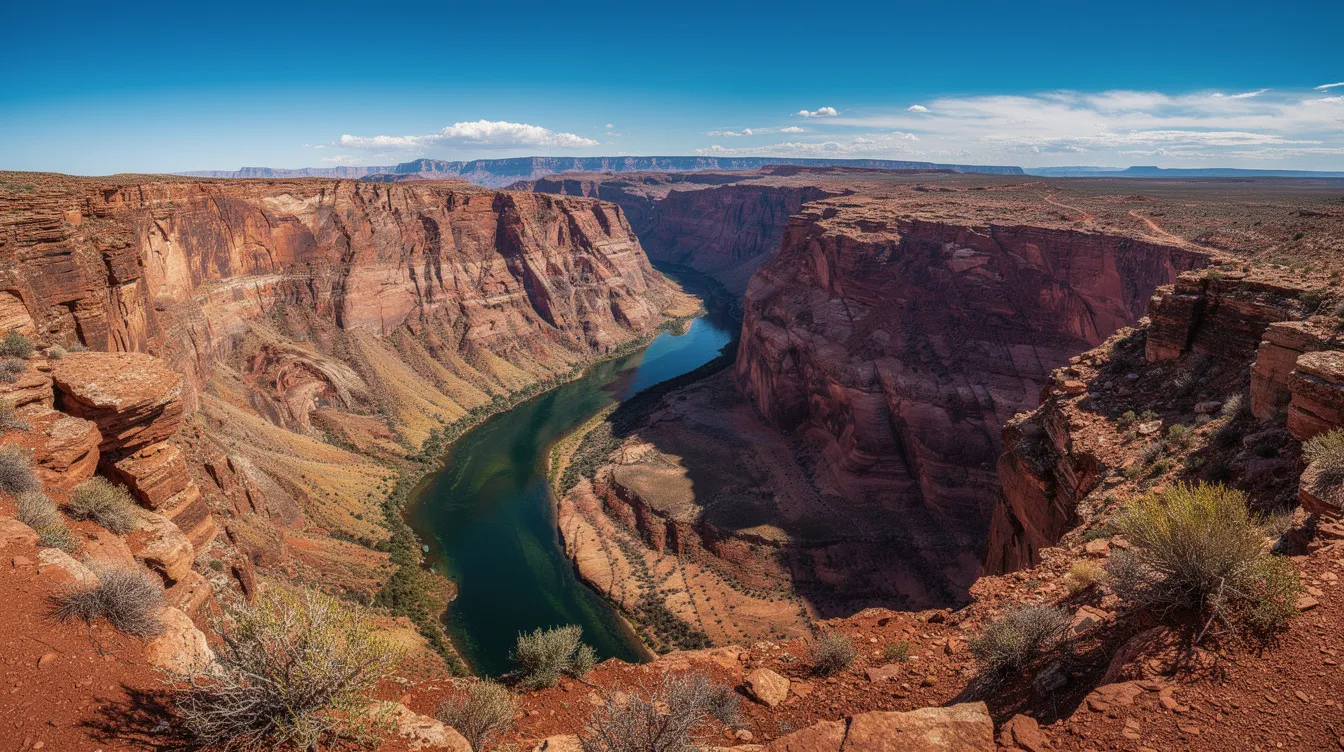
Most visitors first stop at the Zion Canyon Visitor Center near the South Entrance in Springdale to park, grab maps, and board the Zion Canyon shuttle. Zion National Park requires a 7-day access pass for $35 as entrance fees. From roughly March through late November, private vehicles are not allowed on the Zion Canyon Scenic Drive, and hikers must use the free park shuttle. Zion Canyon’s scenic drive is accessed by the park shuttle during peak seasons, with shuttles running every 5–10 minutes on the Canyon Line.
Key shuttle stops for hiking trails:
- Stop 1 (Visitor Center): Pa’rus Trail, Watchman Trail
- Stop 5 (Zion Lodge): Emerald Pools Trail, Sand Bench Trail
- Stop 6 (The Grotto): West Rim Trail, hike Angels Landing to Scout Lookout
- Stop 9 (Temple of Sinawava): Paved Riverside Walk, access to The Narrows and Orderville Canyon
The first shuttle in April departs at 7 a.m.-arrive early because parking near the Visitor Center often fills by mid-morning on peak-season weekends. If lots are full, use the Springdale town shuttle and walk through the pedestrian entrance. In winter and some shoulder-season days, the Scenic Drive may be open to private vehicles; confirm shuttle and road status before visiting Zion. Rangers at the Visitor Center can check trail closures, flash flood risk, and current conditions for North Creek, the West Rim, Weeping Rock area, and Emerald Pools.
Easy Zion Canyon Day Hikes for First-Time Visitors
Zion has several short, mostly paved routes ideal for families, casual walkers, and those acclimating to desert heat. These are among the best hikes for a first visit.
- Pa’rus Trail: A flat, paved trail from the Visitor Center toward Canyon Junction (~3.5 miles round trip, ~50 ft elevation gain). The trail begins along the Virgin River with bridge viewpoints and bike access. It is pet-friendly and wheelchair accessible with assistance-the only easy trail in Zion Canyon allowing leashed dogs.
- Riverside Walk: Riverside Walk is a 2.2-mile paved trail starting at Temple of Sinawava, following the Virgin River through shaded, cool canyon ambiance. The trail ends at the start of The Narrows, making it one of the best easy Zion Canyon hikes. The first half mile is also wheelchair accessible.
- Lower Emerald Pool Trail: A short, mostly paved walk from Zion Lodge through pinyon-juniper woodland to the Lower Emerald Pool and a dripping waterfall alcove (~1.2 miles round trip, ~69 ft gain). Do not swim or climb around the pool.
These easy hikes are excellent early-morning or evening walks when temperatures drop, and they work well as warm-ups before tackling more strenuous routes like the West Rim Trail.
Classic Moderate Hikes: Watchman Trail & Emerald Pools
A moderate hike in Zion Canyon combines manageable elevation gain with iconic views, making these routes ideal for most reasonably fit hikers.
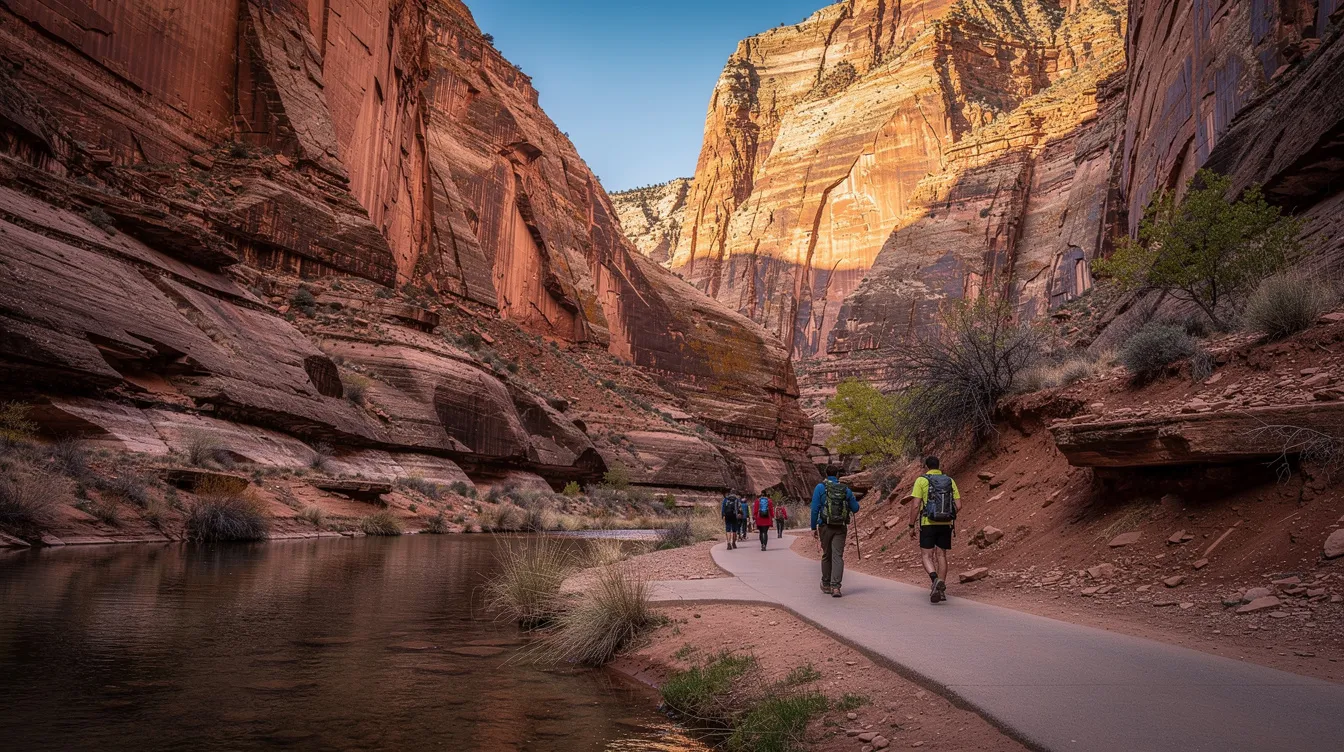
The Watchman Trail is 3.3 miles round trip with approximately 368 ft of elevation gain, starting near the Visitor Center and gradually climbing to a viewpoint of the Watchman peak, lower Zion Canyon, and the town of Springdale. The Watchman Trail provides panoramic views of Zion’s peaks and takes roughly 1.5–2 hours. It can be done without riding the shuttle, making it a flexible option on arrival or departure days. The surface includes unpaved stretches, sandy patches, and moderate drop offs.
The Emerald Pools Trail is a 3-mile loop hike from Zion Lodge connecting Lower Emerald Pool, the steeper Middle Emerald Pools area, and Upper Emerald Pool trails. Emerald Pools Trail features waterfalls and stunning red rock views, along with hanging gardens and seasonal waterfalls. The Upper Emerald Pool section involves rough sandstone steps with some exposure. Note that sections like the Middle Emerald Pool segment may be closed due to rockfall-check current status at the Zion Lodge ranger desk. Watch out for rockfall when hiking near cliffs. These are good “next step” hikes after Pa’rus or Riverside Walk: no chain-assisted sections, but real vertical personality.
The West Rim Trail & Hiking to Scout Lookout (Angels Landing Approach)
The West Rim Trail is one of Zion’s premier routes, starting at The Grotto shuttle stop and climbing to Scout Lookout before splitting toward Angels Landing or continuing along the West Rim. The West Rim Trail is accessible from the park shuttle, and the West Rim Trail reaches an elevation of 6,014 feet-high enough that crowds disappear compared to the canyon floor.
Most day hikers follow the same trail to Scout Lookout (about 4.2 miles round trip, ~1,000 ft of elevation gain) for sweeping views of Zion Canyon without the exposed chain section. Scout Lookout offers incredible views of Zion Canyon. The main segments: initial river crossing from The Grotto, the hike up Refrigerator Canyon (a cool, shaded gorge), the 21 switchbacks known as Walter’s Wiggles, and arrival at Scout Lookout with restrooms and a spectacular view.
To hike Angels Landing from Scout Lookout: a permit is required year-round for the chained section. Angel’s Landing is 5.4 miles round trip with an elevation gain of 1,490 feet. The final section includes chains for support, exposure is significant with steep drop-offs, and the summit offers stunning views of Zion Canyon. Conditions like ice or strong wind make it more dangerous. Permits are required to hike Angel’s Landing through a lottery-based permit system on Recreation.gov.
The West Rim Trail provides expansive views without the crowds if you continue beyond Scout Lookout rather than turning toward Angels Landing-a favorite hike for hikers wanting solitude and panoramic vistas over the main Zion Canyon. Start early (catching one of the first shuttles), bring at least 2–3 liters of water, sun protection, and sturdy footwear.
Beyond Zion Canyon: North Creek, The Subway & High Country Trails
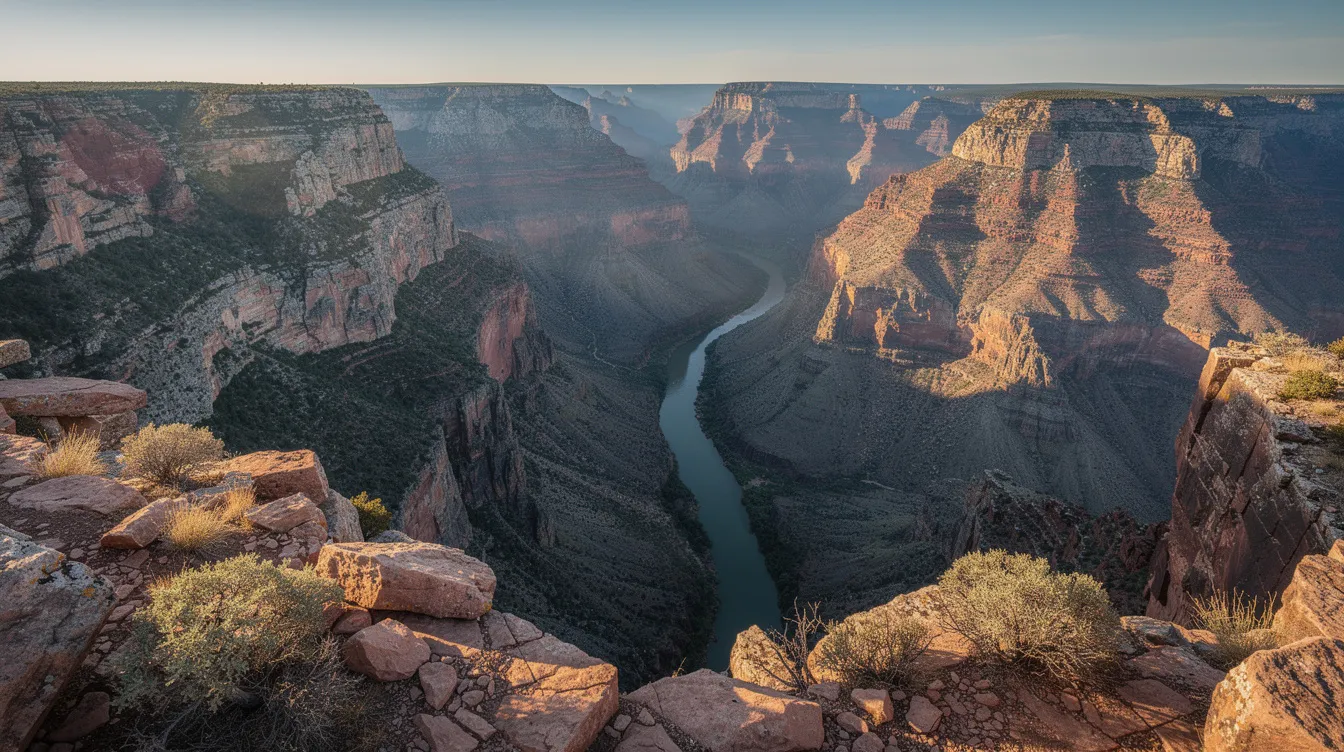
Some of Zion’s most adventurous hikes lie outside the main canyon. The Left Fork of North Creek-known as The Subway-is a permit-only, unique hike involving creek crossings, boulder scrambling, and cold water. This is not a casual day hike and requires navigation skills and proper gear. Bottom-up routes involve off-trail scrambling; top-down routes add rappelling. Check North Creek water levels and flash flood forecasts through the Zion wilderness desk before committing.
The Virgin River Narrows is another iconic route. The Narrows hike is 2 to 16 miles long, depending on whether you do a bottom-up day hike or the full through-hike from Chamberlain’s Ranch. The hike involves wading through the Virgin River and can take 1 to 10 hours. The hike begins at the Temple of Sinawava shuttle stop. The Narrows features towering canyon walls. Preparations for The Narrows include wearing closed-toe shoes and bringing a walking stick. Permits are required for hiking beyond Big Springs in The Narrows. The Narrows requires checking weather conditions due to flash flood danger. Flash floods can occur in slot canyons even under clear skies. Zion features many slot canyons which can be hazardous during storms.
For those wanting something different, Observation Point via East Mesa Trail is 7 miles round trip (some sources cite Observation Point via East Mesa Trail as 6.7 miles long depending on the East Mesa Trailhead used and parking location). Observation Point offers the best view in Zion National Park-many consider it the park’s most rewarding viewpoint. The East Rim Trail also provides access from the east entrance side. Northgate Peaks hike is 6 miles long with 1,120 ft elevation gain and delivers views toward Kolob Canyons. Hop Valley to Kolob Arch is a 14-mile backcountry trail for experienced hikers seeking Zion wilderness solitude.
The broader Kolob Terrace area offers cooler temperatures and fewer crowds than Zion Canyon in summer. All overnight use requires advance wilderness permits. If you’re new to desert canyoneering, consider guided trips for technical routes and always inform someone of your plans.
Planning Safe & Enjoyable Day Hikes in Zion
Zion’s beauty comes with real risks: extreme heat, sudden thunderstorms, and steep drop-offs on popular trails. The park’s desert environment requires proper sun protection and hydration. Zion National Park has diverse desert ecosystems, and weather can impact trail access and safety in Zion.
- Summer heat: June–August afternoons regularly exceed 100°F on the canyon floor. Hydration is crucial due to intense summer heat in Zion. Start early, take siesta breaks, and choose shaded routes such as Refrigerator Canyon or the paved Riverside Walk during peak heat. Most main canyon trails get crowded after 10:00 AM.
- Flash floods: Check the flash flood potential rating at the Visitor Center before entering any slot canyon or river hike. Never drink untreated stream water due to bacteria and parasitic risks.
- Core gear: 2–3 liters of water per person, electrolyte snacks, hat, sunscreen, sturdy closed-toe hiking shoes. Extra layers for shoulder seasons when mornings are cold in Zion Canyon and on the West Rim.
- Park rules: Stay on established trails to protect biological soil crusts. Do not swim in Emerald Pools. Pack out all trash. Pets only on paved routes such as Pa’rus Trail. Maintain a distance of 25 feet from all wildlife in the park.
Zion’s Most Scenic Views
Beyond the hiking trails, Zion is filled with viewpoints and landscapes worth stopping to appreciate. Towering red and orange cliffs contrast with the green vegetation along the canyon, creating some of the most recognizable scenery in Utah.
Zion’s dramatic cliffs and expansive views also make it one of the most rewarding destinations for Utah landscape photography. Early morning and late afternoon can be especially beautiful when changing light emphasizes the textures and colors of the canyon walls.
FAQ
Do I need a permit to hike Angels Landing or other popular Zion Canyon trails?
A permit is required only for the Angels Landing chain section beyond Scout Lookout. You can hike the West Rim Trail up to Scout Lookout without a permit. Other classic day hikes-Watchman Trail, Pa’rus Trail, Emerald Pools Trail, Riverside Walk-do not require permits. Technical and wilderness routes like The Subway (Left Fork of North Creek) and overnight West Rim trips require permits obtained through the park’s official permit system.
What’s the best time of year to plan Zion day hikes?
Spring (April–May) and fall (September–October) offer the most comfortable temperatures for hiking in Zion Canyon and on the West Rim, with cooler mornings and evenings. Summer brings long daylight but intense heat, making early-morning and late-afternoon hikes essential. Winter can offer quieter trails but possible ice on shaded sections. For water-based hikes like The Narrows or exploring the Virgin River Narrows, late spring to early fall is typical-provided water levels and flash flood risk are safe.
Can I hike in Zion without using the shuttle?
When the park shuttle is running, private vehicles cannot drive the Zion Canyon Scenic Drive. However, several hikes begin near the South Entrance-Watchman Trail and Pa’rus Trail don’t require a shuttle ride. In winter and on off-peak dates when the shuttle isn’t operating, you can drive up Zion Canyon for more flexible access to trailheads like The Grotto and Zion Lodge. Visitors staying in Springdale can walk or bike into the park on busy mornings when parking fills early.
How long should I plan for a first visit focused on day hikes?
Two to three full days allows most hikers to sample easy trails (Pa’rus Trail, Lower Emerald Pool, Riverside Walk), a moderate viewpoint hike like the Watchman Trail, and one major objective such as the West Rim Trail to Scout Lookout. Add an extra day for exploring beyond Zion Canyon-driving the Zion–Mount Carmel Highway toward the east entrance, or attempting a permitted backcountry hike. On a tight one-day schedule, prioritize a sunrise hike to Scout Lookout plus an evening stroll along Pa’rus Trail for sunset views over the red sandstone cliffs.
Where should I stay to access Zion hikes easily?
Staying in Springdale offers the easiest access to the South Entrance, Zion Canyon Visitor Center, and shuttle stops for Zion Canyon hikes. Zion Lodge inside the park is closest to the Emerald Pools Trail and has its own shuttle stop, but reservations need to be made well in advance. Campgrounds near the Visitor Center provide convenient access to Pa’rus Trail and Watchman Trail, making them solid bases for hikers who want to walk to trailheads without driving each morning.